
 By
By 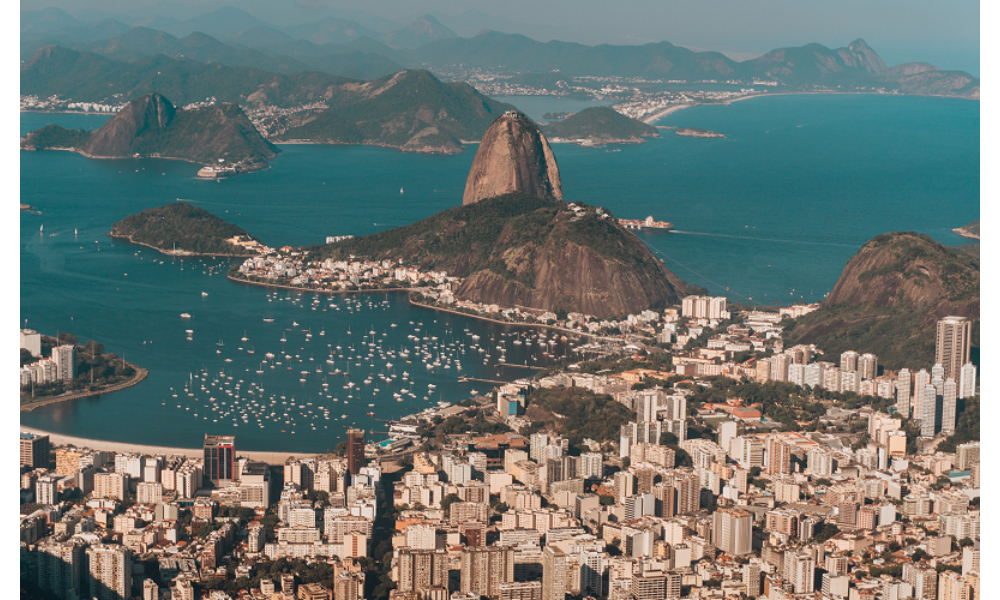
South America stretches across varied terrain, climates, and cultures within one connected continent. Travellers move from high-altitude mountains to long coastlines in a single journey, with city life shifting quickly once borders change. Routes across the region reward planning that respects distance, altitude, and travel time. For visitors choosing South America tours, the appeal usually comes from variety paired with steady movement, without rushing through each stop.
Mountain Regions That Shape Early Routes
Highland areas form the backbone of many itineraries. The Andes run through several countries, shaping transport routes, historic settlements, and daily routines. Cities at altitude require adjustment days due to thinner air, an important practical factor recognised by experienced planners.
Rail links, upgraded regional airports, and improved road access have eased movement through mountain zones over the past decade. Such developments support smoother movement and create room to travel in luxury without placing extra strain on the body or schedule. Well-paced routes through mountain regions help maintain energy before moving onward.
Historic Cities Tied to Landscape
South American cities developed around geography. Coastal capitals grew through ports, while inland towns formed near trade routes, mineral resources, or fertile valleys. Colonial layouts remain visible through central squares, government buildings, and stone streets still used daily.
Urban transport improvements continue shaping access. Expanded metro lines, ride-hailing platforms, and regulated taxi networks support predictable transfers. Such systems benefit South America tours by linking historic districts with modern accommodation zones, which keeps daily routes clear and manageable.
Rainforests and Biodiverse Regions
Large rainforest zones influence travel patterns through northern and central parts of the continent. Protected reserves regulate visitor numbers, guiding access through permits and licensed operators. Boardwalks, river transport, and guided trails help reduce disruption while allowing observation of wildlife and plant species.
Satellite monitoring, guide training programmes, and updated park management tools represent ongoing breakthroughs in environmental oversight. Comfort-focused planning allows travel in luxury while still respecting conservation rules, as routes follow local guidelines and seasonal conditions.
Desert Landscapes and Wide Open Space
Dry regions offer a different sense of scale. Salt flats, plateaus, and long horizons dominate travel days, especially across western and southern areas. Temperature swings between day and night require planning for both comfort and safety.
Infrastructure improvements such as wayfinding systems, refuelling points, and weather monitoring stations have supported safer access. Modern vehicles and pre-arranged logistics support South America tours as they cross desert areas, limiting delays and reducing discomfort.
Coastal Cities and Maritime Life
Coastlines mark major transitions in mood and pace. Harbour cities reflect migration, trade, and fishing traditions, seen through markets, neighbourhood layouts, and dining customs. Beaches and waterfront promenades function alongside working ports rather than replacing them.
Cruise terminals, upgraded ferry services, and coastal rail routes have expanded mobility along shorelines. Along coastal routes, reliable accommodation networks and shorter distances make travel in luxury possible without complex logistics.
Food Regions Linked to Geography
Cuisine shifts with altitude, climate, and access to waterways. Mountain areas focus on hearty grains and slow-cooked dishes, while coastal regions rely on seafood and lighter preparation styles. Markets display regional produce, offering insight into everyday eating habits.
Cold-chain logistics, improved road networks, and regulated food handling standards represent steady advancements in supply systems. South America tours built around food regions offer variety without turning meals into headline events.
Managing Long Distances With Structure
South America covers vast ground, making flight planning essential. Domestic air routes connect distant regions quickly, supported by expanded airport capacity and digital booking systems. Schedule buffers reduce the impact of weather or operational delays.
For long-distance movement, aligned flights, hotels, and transfers help maintain travel in luxury across distant regions. Careful sequencing limits fatigue while allowing movement between contrasting regions from mountains to coastlines.
A Continent Best Seen in Segments
Attempting full coverage in one trip reduces depth. Segment-based planning groups regions by climate and travel time, creating coherent routes that feel complete without excess motion. South America tours structured around fewer countries create clearer pacing and stronger engagement.
For travellers seeking variety shaped by geography, culture, and practical comfort, Contact Prestige by Chan Brothers to plan a journey that connects mountain peaks, urban centres, and coastal cities through thoughtful design and steady rhythm.








Comments