
 By
By 
Crossing an ocean by ship is an experience unlike any other form of travel. Transatlantic voyages, in particular, offer a blend of adventure, reflection, and discovery that appeals to travelers seeking both relaxation and exploration. The vastness of the open sea, the rhythm of the waves, and the uninterrupted horizon create a sense of freedom and perspective that cannot be replicated on land. Such journeys encourage a slower pace, allowing passengers to immerse themselves fully in the experience of travel rather than rushing between destinations.
One of the defining characteristics of a transatlantic voyage is the rhythm of life on board. Days at sea allow travelers to disconnect from the usual pace of daily life. Mornings might begin with a sunrise over the water, followed by leisurely meals and time for quiet observation. Passengers can stroll the decks, read, or simply watch the ever-changing expanse of the ocean. This rhythm fosters reflection, providing mental clarity and an appreciation for the journey itself, rather than just the destinations. Eastern Caribbean cruises, while shorter in scope, demonstrate how structured yet unhurried itineraries allow travelers to balance exploration with relaxation, a concept equally valuable on longer ocean crossings.
Life on board also offers opportunities for enrichment. Ships often provide lectures, workshops, and cultural programs that align with the regions being visited or the broader theme of travel. Passengers might attend talks on maritime history, art, or natural science, adding layers of understanding to the voyage. These programs enhance the sense of purpose and engagement, transforming the cruise into an experience that is both leisurely and intellectually stimulating.
Scenic observation is another highlight of transatlantic travel. The journey provides unobstructed views of sunrise and sunset, cloud formations, and distant horizons. On longer passages, travelers may witness changing weather patterns and marine life, from dolphins riding the bow waves to seabirds gliding above the deck. These moments of quiet observation create a sense of connection to the natural world, emphasizing the scale and beauty of the oceans. For many passengers, these scenes become defining memories of the journey.
Port visits along the way add variety to a transatlantic itinerary. Depending on the route, ships may call on historic ports, vibrant coastal cities, or remote islands. These stops allow passengers to experience culture, architecture, and local cuisine firsthand. Excursions can range from walking tours of historic districts to culinary experiences highlighting regional specialties. By exploring different destinations in sequence, travelers gain a broader understanding of geography, culture, and history, all framed by the unique perspective of arriving by sea.
The social aspect of a voyage is also significant. Cruises bring together people from diverse backgrounds who share an interest in travel and exploration. Meals, onboard activities, and excursions provide opportunities to connect with fellow passengers. Conversations about shared experiences, favorite destinations, or insights from shore excursions add richness to the journey. For many, the friendships formed during a voyage become lasting reminders of the adventure.
Practical preparation enhances the enjoyment of a transatlantic cruise. Travelers often plan for both leisure and activity, balancing time spent on deck with excursions and enrichment programs. Comfortable clothing suitable for varying temperatures, attention to seasickness prevention, and readiness for different cultural contexts at ports all contribute to a smooth experience. Proper preparation allows passengers to focus on exploration and relaxation rather than logistical concerns.
The slower pace of an ocean voyage also encourages mindfulness and presence. Unlike land-based itineraries, where travel between destinations can dominate the day, time at sea allows passengers to savor each moment. Watching the horizon, reflecting on life, and observing subtle changes in the ocean environment create a sense of continuity and calm. These experiences often leave travelers with a lasting appreciation for the rhythms of nature and the beauty of movement across the water.
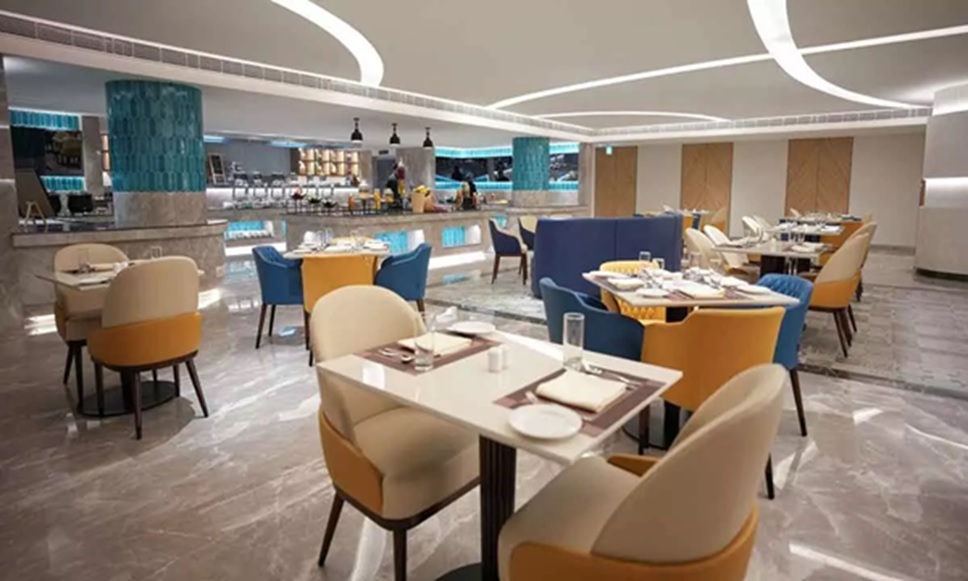
Culinary experiences on board complement the journey. Ship dining often emphasizes fresh, high-quality ingredients, with menus reflecting both international and regional flavors. Meals become an opportunity to socialize, explore new tastes, and enjoy the convenience of full-service dining while at sea. For those who enjoy learning about local ingredients and preparation methods, onboard cooking demonstrations or tasting events offer additional layers of engagement.
Ultimately, transatlantic voyages provide a unique way to experience the world. The combination of open-sea travel, thoughtful port visits, enrichment opportunities, and social interaction creates a journey that balances reflection, discovery, and relaxation. By spending days at sea, passengers gain a perspective on travel that emphasizes process as much as destination, highlighting the rhythms of nature, the diversity of culture, and the pleasure of uninterrupted exploration.
A voyage across the Atlantic teaches lessons in patience, observation, and appreciation. Passengers emerge from the experience with a greater sense of the vastness of the oceans, the richness of coastal cultures, and the rewards of moving through the world at a deliberate pace. Each day at sea reinforces the idea that travel is not only about reaching new destinations but also about engaging fully with the journey itself, making memories that endure long after the cruise ends.










Comments