
 By
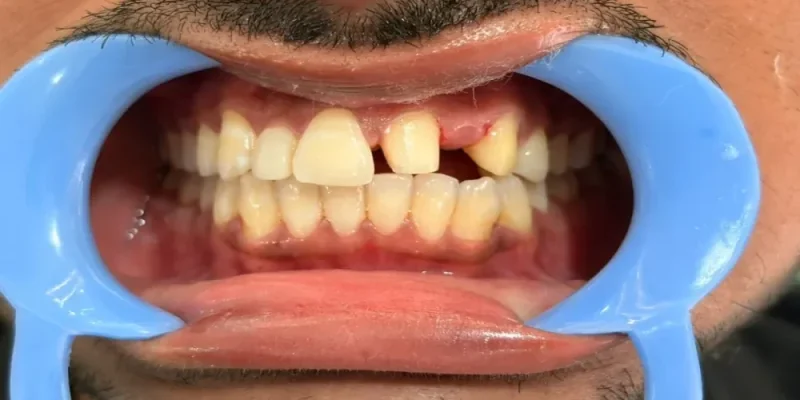
You know the pattern. You mean to schedule the cleaning, then put it off for a week, then a month, then long enough that a small worry turns into a bigger one. The longer you wait, the harder it feels to go. Shame creeps in. Fear gets louder. Even opening the dentist’s website can raise your heart rate. If you’re worried you may need periodontal treatment in Scarsdale, taking the first step now can help prevent that stress from growing.
That cycle is real, and it is common. Fear of pain, bad past experiences, loss of control, embarrassment about the state of your teeth, and worry about cost can all feed it. Dental anxiety does not mean you are overreacting. It means your body learned to treat dental care like a threat. A good general dentist knows that and works to lower the threat before any exam or treatment begins.
Breaking the pattern usually starts with smaller, safer steps. Clear communication, slower pacing, pain control, and a plan you can handle make a big difference. For many patients, the first win is not a perfect smile. It is getting through the door without feeling trapped.
Dental fear grows when avoidance starts to feel safer than care
Skipping visits can bring short term relief, but that relief often comes with a cost. Cavities deepen. Gum problems progress quietly. A tooth that might have needed a simple filling can end up needing a root canal or extraction. According to the National Institute of Dental and Craniofacial Research, oral disease remains common across the United States and can affect pain, eating, sleep, work, and overall health. Their oral health summary shows how untreated dental problems can shape daily life in ways people feel long before they seek care.
This is where the cycle gets cruel. The more care you need, the more intense the appointment may seem in your mind. You might think, “If I go now, they will judge me,” or “They will tell me everything is wrong.” Many anxious patients expect criticism when what they need is calm, plain language and a plan that starts with the most urgent issue first.
Dentists who help patients through fear of the dentist do a few things differently. They ask about your history before they lean you back in the chair. They explain what a routine dental exam includes, such as checking your teeth, gums, bite, and soft tissues, so fewer parts feel unknown. They agree on stop signals. They tell you what might hurt, what should only feel like pressure, and what they can numb more if needed. That kind of predictability matters because anxiety feeds on surprise.
Trust also grows when the dentist does not treat every visit like a race. If you need the first appointment to be a conversation, X rays, and a quick look, that can be enough. If you need breaks during treatment, that is a reasonable request. If gagging, sound sensitivity, or panic symptoms make care hard, those details help the team adjust your visit instead of pushing through it.
General dentist care works best when comfort is built into the plan
A supportive general dentist does more than fix teeth. They reduce the barriers that keep you from coming back. That can include early morning appointments so you do not spend all day building dread, shorter visits for complex treatment, headphones to block the sound of tools, or topical and local anesthetic options that make procedures more manageable.
For some people, the hardest part is not pain. It is loss of control. Lying back, keeping your mouth open, not being able to speak easily, all of that can trigger panic. A dentist who checks in often and pauses when you raise a hand gives some of that control back. That simple shift can change the whole experience.
Research and clinical practice keep moving toward more patient centered care, including better pain management and communication strategies. You can follow updates through NIDCR news, but the most useful change is often basic human care. Being heard lowers fear.
Small delays can turn simple treatment into harder treatment
| Situation | When anxiety delays care | When care starts earlier |
|---|---|---|
| Mild tooth sensitivity | Can progress to deeper decay, stronger pain, and more involved treatment | May be managed with an exam, X rays, and a smaller restoration |
| Bleeding gums | Can worsen into gum disease, bad breath, and bone loss over time | Often improves with cleaning, home care guidance, and follow up |
| Fear of judgment | Leads to longer gaps between visits and more embarrassment | Builds trust through steady, lower pressure visits |
| Worry about cost | Small issues may become emergencies with higher bills | Allows phased treatment and clearer planning |
The table is not about worst case thinking. It reflects what happens every day. Anxiety tells you that waiting protects you. In dental care, waiting often gives the problem more time and gives your fear more evidence to work with. Early care is usually simpler, shorter, and easier to recover from, which is exactly what anxious patients need.
Three steps help you break the cycle of dental anxiety
1. Tell the office you are anxious before the visit. Put it in the online form, say it on the phone, or mention it at check in. You do not need a perfect explanation. A simple line such as, “I have anxiety about dental visits and need a slower pace,” gives the team something useful to work with.
2. Ask for a low pressure first appointment. Request an exam, X rays if needed, and a conversation about options. Ask the dentist to explain what they see, what needs attention first, what can wait, and how they manage comfort. This is one of the most effective ways to start overcoming dental anxiety because it replaces guessing with facts.
3. Make one comfort plan and use it every time. Choose a stop signal, bring headphones, schedule a morning visit, practice slow breathing before you go, and ask for numbness to be tested before treatment starts. Anxiety drops faster when your brain learns that dental visits follow a familiar, safer script.
You do not need to fix years of avoidance in one appointment. You only need a dentist who respects your fear without letting it run your health. The cycle can break, and it often breaks through steady, ordinary care that feels safe enough to repeat. When you are ready, schedule a visit with a general dentist and start with the smallest next step you can handle.






Comments