
 By
You bring your pet in for help, and one detail suddenly feels bigger than everything else. They had a bad reaction before. Maybe it was vomiting after a pain medication, facial swelling after an antibiotic, or a scary night of restlessness that left you watching them breathe. Once that happens, every new prescription feels loaded. You are not overreacting. Medication allergies and previous drug reactions can change how an animal hospital plans treatment, and providers offering veterinary care for pets in Orlando, FL take that history seriously from the first conversation through follow up care.
The short version is simple. An animal hospital does not just ask what your pet takes now. The team looks at what happened before, how severe it was, whether it was a true allergy or a side effect, which drugs are related, and what safer options exist. That careful review protects your pet and helps avoid repeating the same problem under a different name.
Animal hospitals start with the reaction history, not just the medication list
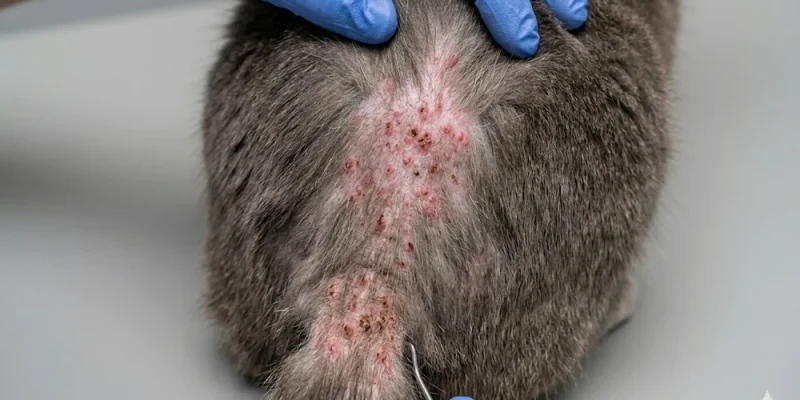
When a pet has reacted badly to a drug, the first job is getting the story right. “Allergy” often gets used for any bad response, but hospitals usually sort reactions into a few groups because treatment decisions depend on the details. A true allergic reaction may involve hives, swelling, itching, trouble breathing, or collapse. A side effect may look more like stomach upset, sedation, or diarrhea. An overdose or medication interaction can create a different pattern entirely.
That distinction matters because one reaction may mean a drug should never be used again, while another may mean the dose needs adjusting or the drug should be given with food. If your dog vomited once after starting a medication, that is different from your dog developing facial swelling and needing emergency care. Both are serious to you, and both belong in the chart, but they lead to different next steps.
This is where how animal hospitals handle medication allergies and previous reactions becomes very practical. Staff will often ask when the reaction happened, how soon after the dose it started, how long it lasted, what the medication name was, whether other drugs were given at the same time, and what treatment fixed the problem. If you have a photo, discharge paper, or old prescription bottle, bring it. Small details can prevent a repeat event.
Previous drug reactions affect every part of the treatment plan
Once the team has a clear history, they build around it. That may mean choosing a different drug class, lowering risk with monitoring, or avoiding a medication family altogether. If your cat once had a severe reaction to an injectable antibiotic, the hospital may flag related drugs in the record so another clinician does not reach for a similar product later. If your dog reacted poorly to a nonsteroidal anti inflammatory drug, the veterinarian may look at other pain control options and review the known cautions in this NSAID medication guide for animals.
The financial stress can hit here too. Alternative drugs are not always cheaper, and added monitoring can raise the bill. That is frustrating when you are already trying to do the right thing. Still, repeating a known reaction often costs more, both medically and emotionally. A hospital that slows down to review the history is not creating obstacles. It is trying to avoid an emergency that could have been prevented.
Some pets also carry genetic risks that change what medications are safe. Herding breeds and mixes may have the MDR1 gene mutation, which can make certain drugs dangerous even at standard doses. Cornell’s overview of drug sensitivity related to MDR1 explains why that extra layer matters. In those cases, a previous “bad reaction” may point to a deeper sensitivity that should guide future care.
Medication allergy management in veterinary care depends on clear records and team communication
A strong system is not just one veterinarian remembering a detail. It is the front desk noting the alert, the technician confirming it in the exam room, the doctor reviewing it before prescribing, and the pharmacy checking it again before dispensing. That is how veterinary medication allergy management works in real life. Redundant checks protect pets because busy days happen, staff changes happen, and a single chart note can be missed if the system is weak.
You may also hear the hospital talk about a “drug challenge,” referral testing, or specialist input in rare cases. That usually comes up when the reaction history is unclear and the medication is unusually important. Most of the time, hospitals prefer the safer route of choosing an alternative rather than risking another exposure.
Common reaction scenarios and how an animal hospital responds
| Reaction history | What the hospital looks for | Likely response |
|---|---|---|
| Vomiting after first dose | Timing, dose, whether given with food, other meds | May switch drugs, change dose, or adjust how it is given |
| Facial swelling or hives | Signs of true allergy, emergency treatment needed, related drug classes | Lists drug as allergy, avoids re exposure, chooses unrelated option |
| Lethargy or agitation | Expected side effect versus abnormal reaction | May reduce dose, stop medication, or monitor with a replacement plan |
| Reaction while on several medications | Possible interaction, duplicate therapy, underlying illness | Reviews full medication list and narrows likely cause before prescribing again |
| Breed linked drug sensitivity | Genetic risk such as MDR1 status | Avoids certain drugs and may recommend testing or specialist guidance |
Animal hospital medication safety improves when you take three steps before the visit
1. Build a reaction timeline. Write down the drug name, date, dose, and what you saw. Include how fast the reaction started and whether urgent care was needed. “Did not do well” is too vague to protect your pet later.
2. Bring every medication and supplement. Prescription drugs, flea and tick products, joint chews, calming aids, and human medications all belong on the list. Many previous reactions make sense only when the full picture is visible.
3. Ask how the chart is flagged. Do not assume the warning will follow your pet forever. Ask the hospital to list the reaction clearly and to explain which medications should be avoided in the future. That one question can reduce risk at the next visit, the emergency clinic, or a specialist appointment.
Care gets safer when the history is specific
If you have been second guessing yourself since your pet’s last reaction, stop there. Your concern is useful. It helps the hospital prescribe more safely, monitor more closely, and choose a plan that fits your pet instead of treating them like a blank chart. Medication reactions in pets are manageable when the history is clear and the care team acts on it. Bring the details you have, ask direct questions, and expect that history to shape every new prescription.




Comments