
 By
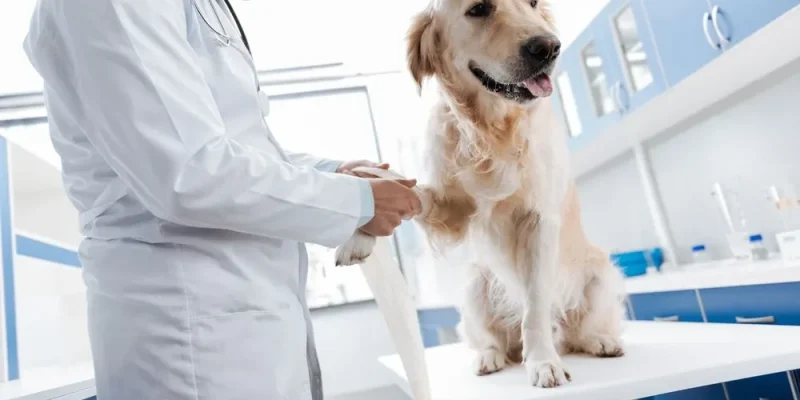
You see your dog stand up after the accident, take a few steps, maybe even wag their tail, and your whole body wants to believe they are fine. That reaction is human. Walking does not rule out internal bleeding, shock, chest trauma, pain, or a slow-building brain injury, which is why contacting a 24/7 emergency vet in Birmingham right away can be so important. Dogs often push through pain, especially when adrenaline is high, and that can make a serious injury look mild for the first hour.
That is why after a dog car accident, an emergency vet looks far beyond whether your dog can walk. They check what cannot be seen from the parking lot or your living room floor. Breathing, blood pressure, gum color, belly pain, hidden fractures, and signs of organ damage matter just as much as mobility. If your dog was hit, thrown, pinned, or jolted inside a vehicle, the safest move is urgent evaluation.
Walking after impact can hide injuries that get worse fast
You may be replaying the crash and thinking, “They cried once, then settled down, so maybe it is just bruising.” Sometimes it is. Sometimes it is a punctured lung, a bruised heart, or bleeding in the abdomen that has not caused collapse yet. A dog can walk on a fractured leg. A dog can also walk with a ruptured bladder for a short time, with a painful spine injury, or with a head injury that shows up later as disorientation, vomiting, or seizures.
An emergency vet for dog accident injuries starts with stabilization and triage. The first checks are basic but critical. Is your dog getting enough oxygen. Is the heart rate too fast, too slow, or irregular. Are the gums pale, gray, or tacky. Is there swelling under the skin that suggests air leakage from chest trauma. Is the abdomen tense or painful. Those clues help the team decide what must happen first.
Breathing gets close attention because chest injuries are common after blunt trauma. A dog may be standing and still have pulmonary contusions, which are bruises in the lungs that can worsen over several hours. The vet listens for muffled sounds, crackles, or uneven airflow, and may recommend chest X rays or oxygen support right away.
Circulation comes next. Internal bleeding is one of the biggest reasons a dog can seem stable, then crash later. The vet may check packed cell volume, blood pressure, pulse quality, and repeat exams over time because one normal reading does not always stay normal. If the abdomen feels painful or distended, imaging may be needed to look for free fluid or organ injury.
The nervous system also matters, even when your dog is alert. The vet looks at pupil size, coordination, mental status, and pain response. A mild concussion can turn into obvious neurologic signs after the adrenaline fades. Spinal pain can be easy to miss in a frightened dog that still wants to follow you.
What the emergency vet checks even when your dog seems okay
A trauma exam is methodical. The team checks for wounds, bruising, broken nails, torn paw pads, and pain in the ribs, hips, and spine. They palpate the limbs because small fractures and joint injuries can be masked by shock. They inspect the mouth for broken teeth, jaw pain, and bleeding. They may recommend bloodwork because trauma can affect more than bones and skin.
Imaging often answers the question your eyes cannot. X rays can reveal chest trauma, fractures, and some abdominal changes. Ultrasound can help find internal bleeding. In more severe cases, advanced imaging may be needed. Cornell’s overview of urgent care services reflects the kind of triage and diagnostics emergency teams use when time matters.
Financial stress is real here. You may be trying to judge whether an exam is enough or whether testing is truly needed. The hard part is that trauma medicine is about ruling out dangerous things before they become obvious. Waiting can turn a manageable injury into a crisis, which often costs more and carries more risk.
Home observation and emergency vet care are not equal after trauma
| Situation | What you can do at home | What the emergency vet checks | Main risk of waiting |
|---|---|---|---|
| Dog is walking but shaken | Keep them still, warm, and quiet | Shock signs, pain, hidden chest or abdominal trauma | Internal bleeding may not show right away |
| Mild limp or reluctance to jump | Restrict movement | Fractures, joint injury, spinal pain, soft tissue damage | Worsening injury from continued walking |
| Normal breathing at first | Watch rate and effort closely | Lung bruising, air around lungs, rib pain, oxygen levels | Breathing can decline over several hours |
| No visible blood | Check gum color and behavior | Blood pressure, ultrasound, bloodwork, abdominal pain | Hidden bleeding can cause sudden collapse |
Basic first aid still matters on the way. Move your dog carefully, use a flat surface if you suspect spine or limb injury, and keep handling gentle. The AVMA’s pet first aid guide offers practical help for those first minutes before you arrive for emergency vet care: pet first aid guide.
Three steps to take right away after a dog is hit by a car
1. Limit movement immediately. Do not encourage your dog to walk it off. Carry small dogs if you can do so safely. Use a towel, blanket, board, or crate to reduce motion during transport. Less movement lowers the chance of making bleeding, fractures, or spinal injuries worse.
2. Watch breathing, gums, and alertness. Fast breathing, open mouth breathing at rest, pale gums, weakness, glassy eyes, or sudden sleepiness are red flags. If your dog vomits, collapses, cries when touched, or seems confused, treat that as urgent even if they were walking a few minutes ago.
3. Go to an emergency vet for a trauma exam. Call ahead if possible so the team is ready. Share what happened, how long ago it happened, whether your dog lost consciousness, and any changes since the accident. That information helps them triage faster and choose the right tests.
Prompt emergency vet treatment gives your dog the best chance
You are not overreacting because your dog can still stand. You are responding to the kind of injury that often hides under adrenaline and fear. After a car accident, the safest assumption is that walking does not equal safe, and a timely exam can catch the problems that are easiest to miss and hardest to forgive later.
If your dog has been in a crash, seek emergency vet care right away.



Comments